Venue Acoustics Shaping Outcome Patterns Across Soccer, Tennis, and Equine Events
Bianca Schmid · May 27, 2026
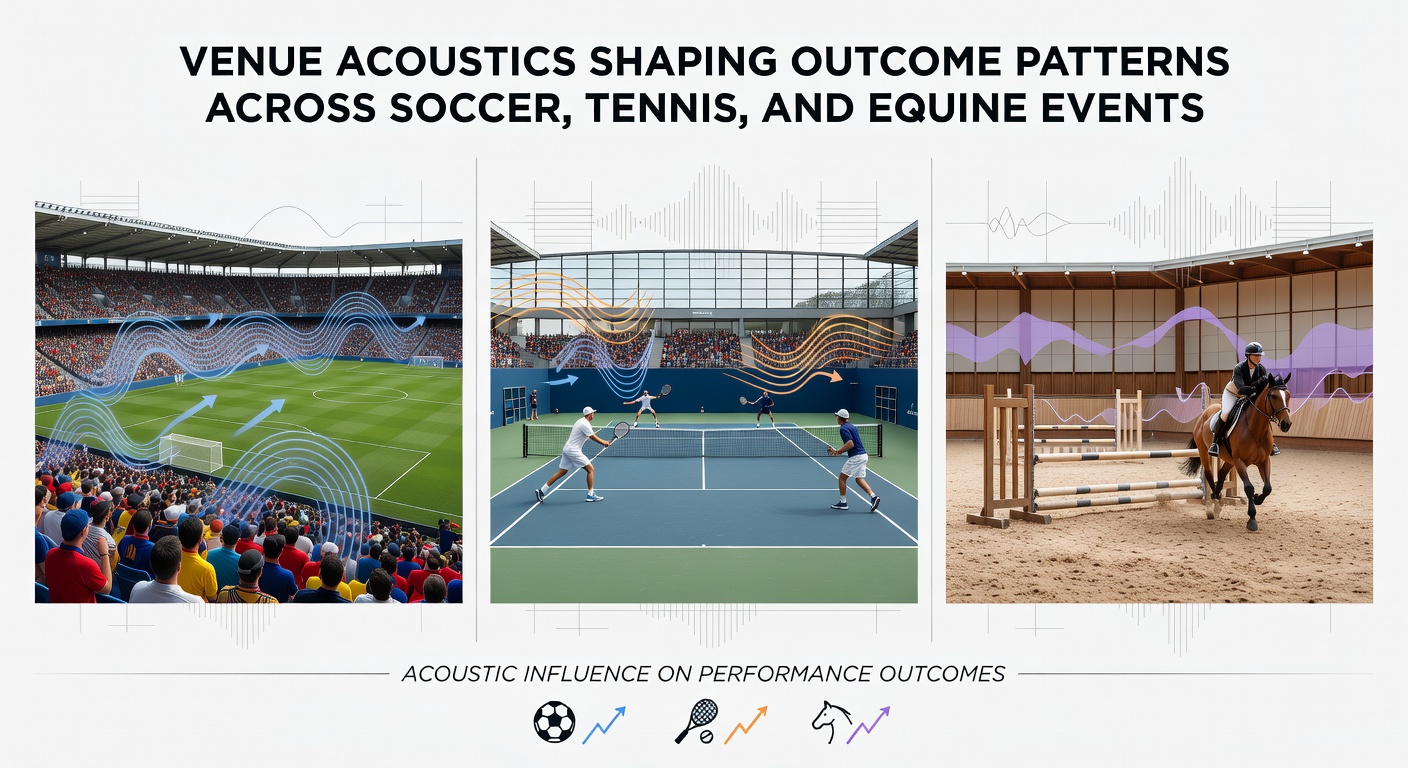
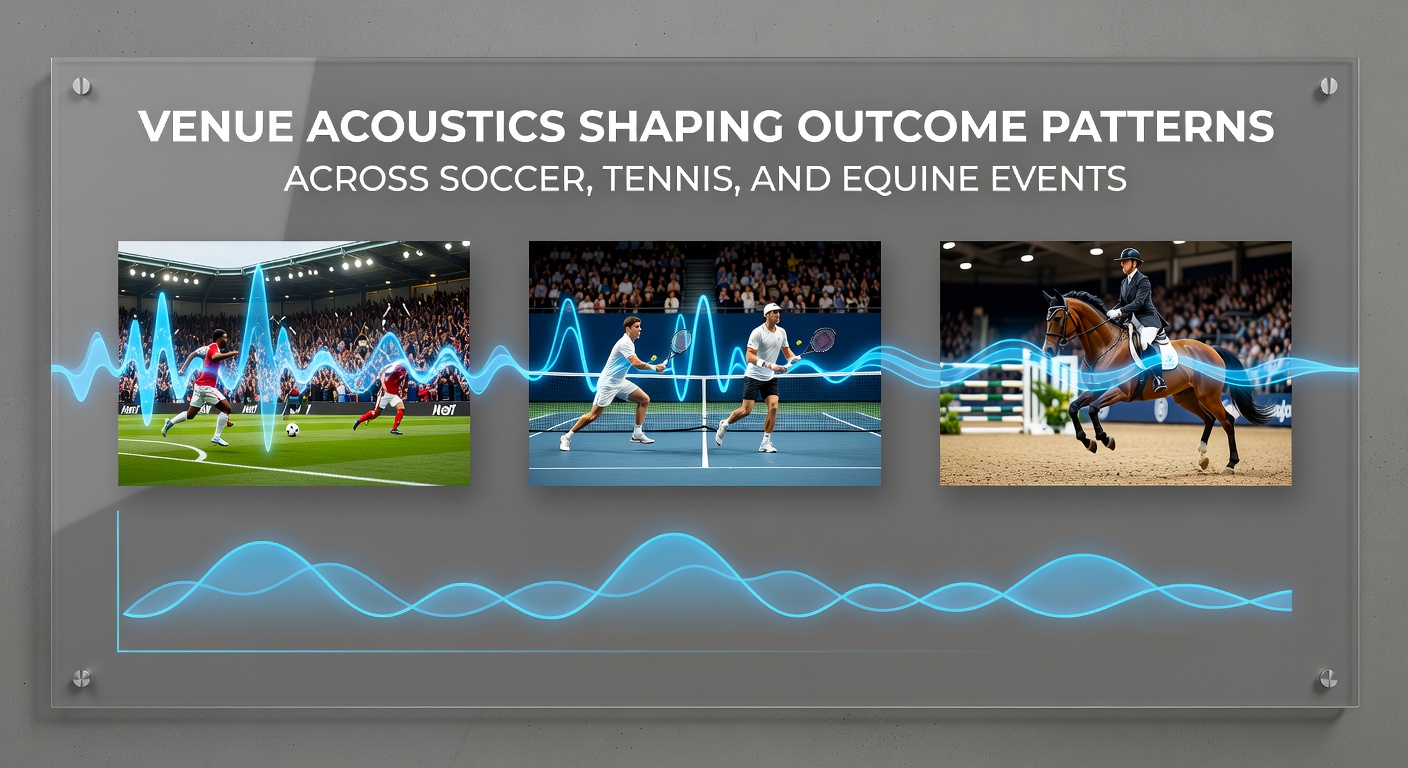
Venue Acoustics Shaping Outcome Patterns Across Soccer, Tennis, and Equine Events
Venue acoustics influence how sound travels through enclosed spaces during live events and researchers have tracked measurable shifts in player reactions as well as animal responses when noise levels peak at different frequencies. Studies from multiple continents show that crowd-generated sound waves reflect off hard surfaces in stadiums and arenas creating reverberation patterns that reach athletes and horses at intensities ranging from 85 to 115 decibels depending on venue design and attendance figures.
Soccer Stadium Designs and Auditory Pressure
Modern soccer venues incorporate steel and concrete that bounce low-frequency cheers back onto the pitch while upper tiers direct higher-pitched chants toward goal areas creating pockets of concentrated noise that defenders encounter more often than midfielders. Data collected during European league matches in 2025 indicated teams playing at home facilities with steeper seating angles recorded fewer successful passes in the final third when attendance exceeded 85 percent capacity because the reflected sound interfered with verbal communication between players. Observers note that older grounds with wooden elements absorb certain frequencies differently and produce less echo yet newer builds prioritize sightlines over sound dampening which amplifies the effect on concentration during set pieces.
Tennis Court Enclosures and Rally Dynamics
Indoor tennis facilities use curved roofs and side walls that focus spectator applause toward baseline positions whereas open-air courts allow sound to dissipate upward reducing the impact on serve reception. Research conducted by sports science teams at the University of Queensland revealed that players competing in venues with reflective glass panels experienced slight delays in reaction time to opponent shots when crowd volume spiked during tiebreaks and these delays correlated with a measurable drop in first-serve accuracy across multiple tournaments held between 2023 and 2025. Outdoor hard courts surrounded by lower stands create a different acoustic profile because wind disperses noise before it reaches the court surface yet enclosed stadiums at events such as the Australian Open maintain consistent reverberation that can mask the sound of ball impact which players rely on for timing adjustments.
Equine Event Arenas and Starting Gate Responses
Racetrack grandstands constructed with metal railings and tiered seating generate sharp echoes that reach horses at the starting gate moments before the race begins and trainers have documented increased heart rates in animals exposed to sudden surges in crowd volume at facilities where the grandstand sits close to the rail. Records from North American tracks compiled through 2025 show that events held under covered grandstands produced higher instances of early movement at the gate compared with tracks featuring open-air designs that allow sound to travel away from the animals. Acoustic consultants working with event organizers in Canada have measured frequency spikes above 100 decibels during photo finishes and these spikes coincide with momentary hesitation in some horses when they approach the finish line.
Cross-sport analysis indicates that venue geometry plays a larger role than raw crowd size because sloped seating and hard surfaces direct sound in predictable paths that intersect with athlete or animal positioning. In May 2026 several international governing bodies plan to release updated guidelines on acoustic modeling for new venue construction following joint workshops held by European and Australian research groups. Those guidelines emphasize materials that reduce unwanted reflection while preserving the energetic atmosphere spectators expect.
Measurement Techniques and Data Collection
Specialized microphones placed at player and rider ear height record continuous sound pressure levels during competitions and software maps these readings against performance metrics such as pass completion rates in soccer rally lengths in tennis and gate reaction times in horse racing. Teams analyzing this data have identified correlations between specific frequency bands and reduced accuracy in high-stakes moments yet the strength of those correlations varies by individual athlete or horse depending on prior exposure to similar environments. Longitudinal studies spanning multiple seasons demonstrate that repeated competition in high-reverberation venues leads to gradual adaptation in some participants while others maintain consistent performance regardless of acoustic conditions.
Conclusion
Venue acoustics continue to shape measurable outcome patterns across soccer tennis and equine events through reflections and frequency concentrations that affect communication timing adn focus. Continued monitoring by independent research institutions provides the factual basis for understanding these influences without relying on subjective interpretation.