Seasonal Shifts and Their Influence on Blended Odds for Soccer Matches, Court Battles, and Track Events in Multi-Bet Structures
David Frank · Jun 24, 2026
Seasonal Shifts and Their Influence on Blended Odds for Soccer Matches, Court Battles, and Track Events in Multi-Bet Structures
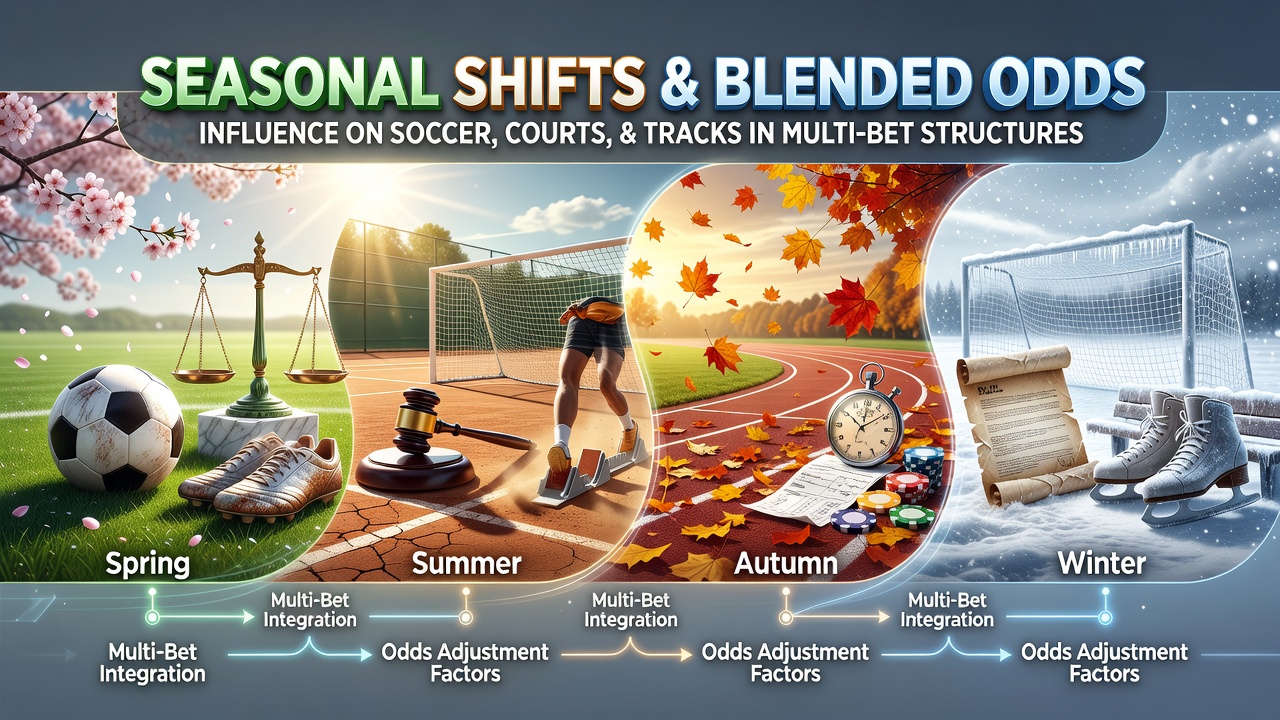
Seasonal changes reshape performance metrics in soccer, tennis, and horse racing, which in turn alters the odds that bookmakers assign to combined wagers. Data from multiple sports seasons shows that temperature swings, precipitation levels, and daylight duration directly modify player endurance, surface grip, and animal recovery times, creating measurable shifts in win probabilities that feed into accumulator structures.
Summer Conditions Shape Early June Patterns
In June 2026 northern hemisphere venues experience extended daylight hours alongside rising temperatures that push average pitch and court surfaces above 25 degrees Celsius during peak play windows. Observers note these conditions accelerate fatigue in soccer matches lasting ninety minutes or more, while tennis rallies on outdoor hard courts see serve percentages drop by documented margins when humidity climbs. Horse racing tracks transition from spring firmness to firmer summer ground, shortening sprint times in events under 1400 meters according to records compiled by racing authorities.
Bookmakers incorporate these variables into live and pre-match pricing models, adjusting individual legs within multi-bet structures to reflect reduced hold percentages for favorites in heat-affected tennis sets or soccer fixtures scheduled in late afternoon slots. Research from the Australian Institute of Sport indicates that core body temperatures in athletes rise faster under these conditions, correlating with higher error rates in the final twenty minutes of play.
Cross-Sport Data Integration in Accumulators
Tipsters combine datasets from weather stations, historical performance logs, and surface-specific statistics to construct chains that span soccer, tennis, and racing. One common approach links a soccer team's away record in warm climates with a tennis player's break-point conversion rate on similar temperature days, then pairs the outcome with a horse's closing speed on firm ground. Such layering produces blended odds that move in tandem rather than independently, because seasonal factors influence each component simultaneously.
Figures released by the European Sports Betting Association reveal that accumulator payouts in June periods show wider variance when multiple events occur under comparable heat or rainfall conditions. This variance stems from correlated adjustments rather than isolated results, prompting operators to recalibrate margin distributions across the entire bet structure.
Track and Court Surface Responses
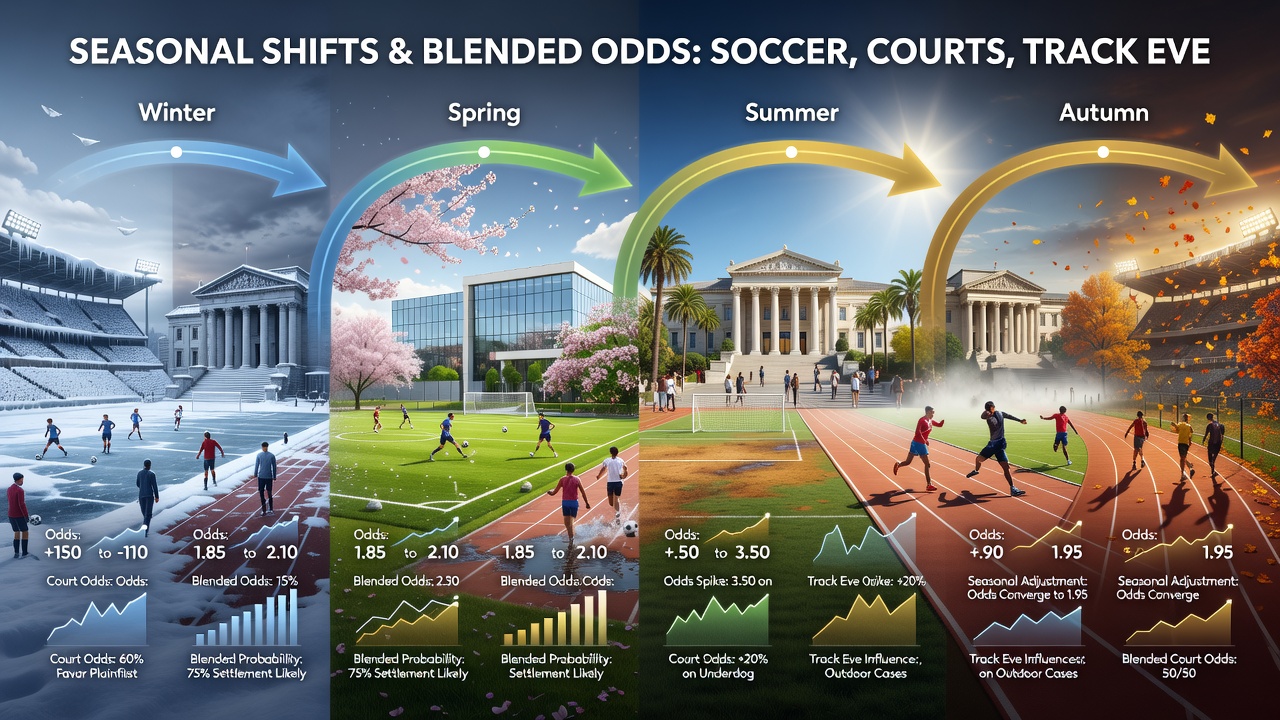
Grass courts used during the early summer tennis calendar respond to rainfall by slowing ball speed, which shifts baseline rally lengths and increases the value of longer exchanges. Racing surfaces experience parallel changes when irrigation or natural precipitation alters going descriptions from good to soft, extending winning times in distance races. Soccer pitches maintain more consistent characteristics through irrigation systems, yet still register elevated slip incidents during sudden downpours that coincide with evening fixtures.
Analysts cross-reference these surface metrics with player and jockey statistics gathered over previous seasons to refine probability inputs. The resulting models feed directly into pricing engines that set accumulator totals, ensuring each leg reflects the prevailing seasonal baseline rather than an averaged yearly figure.
Regulatory Context and Data Transparency
Canadian regulatory frameworks require operators to disclose how environmental data enters pricing algorithms, providing punters with clearer visibility into seasonal weighting. Similar requirements appear in Australian state guidelines that mandate publication of surface condition reports before racing meetings. These disclosures allow multi-bet participants to evaluate whether current odds already embed expected June weather deviations or whether further adjustments remain possible.
Studies conducted at the University of Queensland link increased ambient temperatures with measurable declines in both equine recovery intervals and human serve consistency, supplying independent datasets that operators reference when updating models mid-season. Such sources complement proprietary performance databases maintained by betting firms.
Conclusion
Seasonal shifts continue to drive recalibrations across soccer, tennis, and horse racing markets, influencing the construction and payout potential of multi-bet structures through correlated performance changes. Data integration across weather records, surface conditions, and historical outcomes enables precise adjustments that reflect real-world variables rather than static assumptions. As June 2026 progresses, ongoing monitoring of temperature and precipitation patterns supplies fresh inputs that operators and analysts apply to maintain alignment between observed conditions and quoted odds.