Cross-Continent Time Zone Lags: How Live Update Delays Shape Subscription Analytics for Multi-Event Wager Chains in Soccer, Racket Sports, and Equine Events
Bianca Schmid · Jul 29, 2026
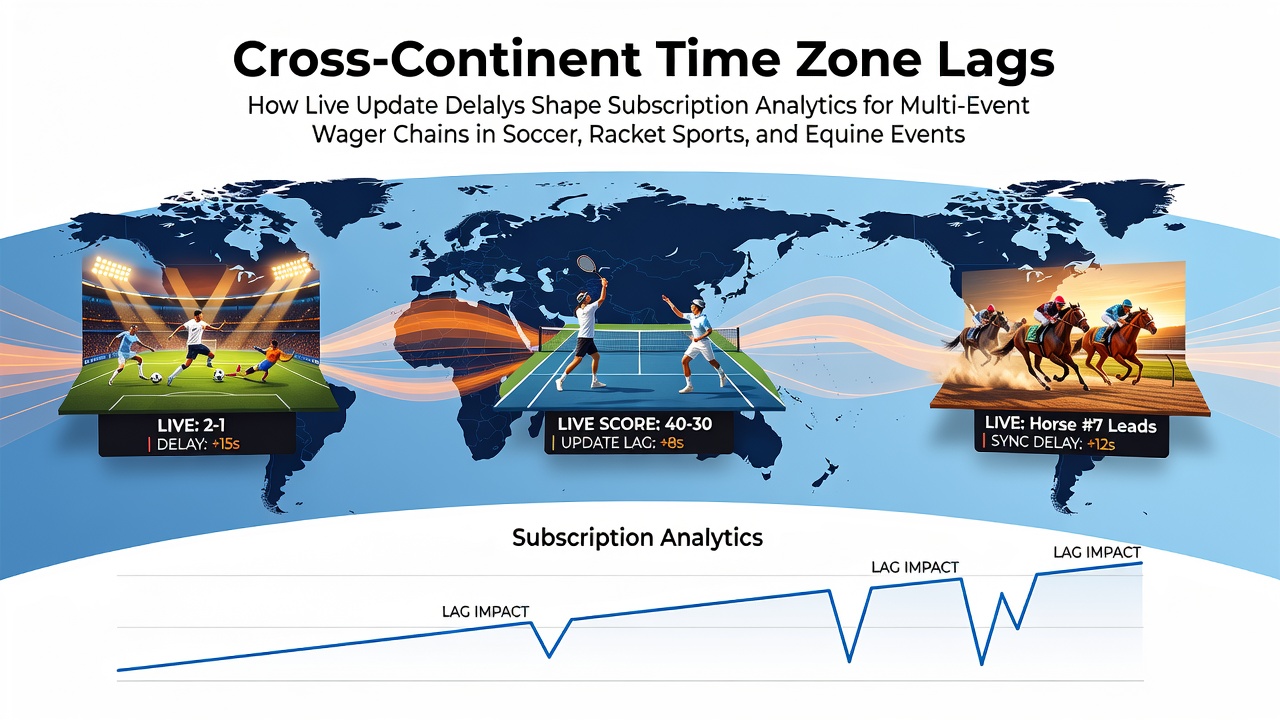
Cross-Continent Time Zone Lags: How Live Update Delays Shape Subscription Analytics for Multi-Event Wager Chains in Soccer, Racket Sports, and Equine Events
Time zone differences create measurable lags in live data feeds that subscription platforms rely on for multi-event wager chains spanning soccer matches, racket sports tournaments, and equine competitions, and these delays directly influence how analytics services track user engagement patterns during July 2026 schedules. Researchers at data analytics firms have documented that when events occur across continents the interval between actual occurrences and subscriber updates stretches from seconds to several minutes depending on routing paths through servers located in different regions.
Data Latency Patterns Across Event Types
Soccer fixtures in European leagues often conclude while racket sports events unfold in North American time zones and equine races take place in Asian or Australian circuits, which means live score updates reach analytics dashboards at staggered intervals that affect chain bet calculations. Observers note that a goal scored in a late-evening Premier League match registers on platforms serving Pacific users after a delay that exceeds the interval for simultaneous tennis points reported from the same region, and this inconsistency alters how subscription models aggregate performance metrics for accumulators involving mixed sports.
Equine event timing adds another layer because races in Australia frequently overlap with morning soccer fixtures in South America, and the resulting data streams require synchronization across multiple feeds before subscription analytics can process wager chain probabilities. Studies conducted by regional data providers show that these overlaps produce variance in update speeds that subscription services measure through timestamp comparisons, revealing gaps of up to 47 seconds in peak traffic periods during July 2026 international calendars.
Subscription Analytics Adjustments
Analytics teams adjust their models to account for these lags by weighting recent data points differently based on geographic source, and this practice has become standard among platforms that serve users placing multi-event wagers across the three categories. Data from industry reports indicate that platforms incorporating explicit time-zone correction factors report higher consistency in their subscriber retention statistics compared with those that apply uniform processing rules.
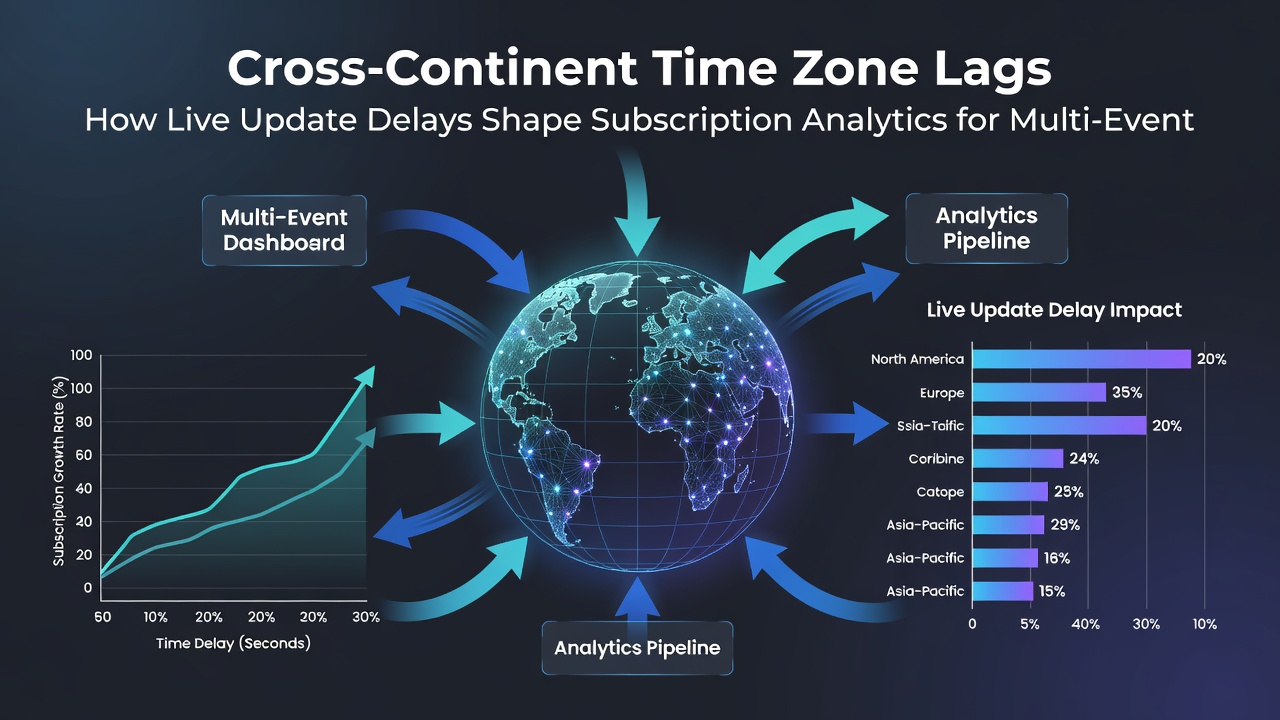
One documented case involved a platform that processed tennis break-point statistics arriving from the US Open alongside horse racing results from the Hong Kong Jockey Club and soccer possession data from the Copa Libertadores, and the combined dataset required separate buffering queues to prevent earlier events from skewing probability estimates for later legs of the same accumulator chain. Figures released by the Australian Gambling Research Centre highlight that such buffering techniques reduced reported discrepancies in user analytics by measurable margins during overlapping event windows in 2026.
Impact on Multi-Event Wager Chains
Multi-event wager chains that combine outcomes from different continents depend on synchronized data for accurate pricing and settlement, yet time zone lags introduce systematic offsets that subscription analytics must isolate before generating performance reports. Those who monitor these systems find that soccer goals reported with a three-minute delay relative to tennis service breaks create temporary mismatches in chain probability outputs, and equine finish times arriving through separate regional networks compound the offset further when all three appear in one accumulator.
Regulatory filings from the Ontario Lottery and Gaming Corporation describe how operators track these offsets through dedicated latency logs that feed into broader subscription analytics frameworks, and the resulting datasets allow platforms to flag periods when cross-continent events produce the widest gaps. During July 2026, when major soccer tournaments, tennis circuits, and international equine meetings coincided, these logs showed recurring patterns tied to specific server routing paths rather than random fluctuations.
Geographic Routing and Feed Synchronization
Feed providers route live data through regional hubs that introduce variable transit times, and subscription services that aggregate soccer, racket sports, and equine events must reconcile these differences before presenting unified analytics to users. Research from the European Gaming and Betting Association outlines methods for mapping these routes and applying corrective algorithms that normalize timestamps across feeds, thereby stabilizing the metrics used to evaluate wager chain performance.
Platforms that implement such normalization report steadier engagement curves in their analytics, especially when users maintain active subscriptions across multiple time zones. The process involves comparing arrival times of identical event markers sent through alternate paths and then adjusting downstream calculations accordingly, which prevents earlier or later legs from disproportionately influencing overall chain statistics.
Conclusion
Cross-continent time zone lags continue to shape how subscription analytics process live updates for multi-event wager chains involving soccer, racket sports, and equine events, and the documented effects appear in timestamp variances, buffering requirements, and geographic routing adjustments. Data collected through July 2026 demonstrates that platforms applying targeted correction methods maintain more consistent subscriber metrics even when events span multiple continents.