Bet Builder Blueprints: Layering Soccer Snapshots, Tennis Turns, and Racing Rhythms into Payout Powerhouses
Jordan Vogel · Mar 30, 2026
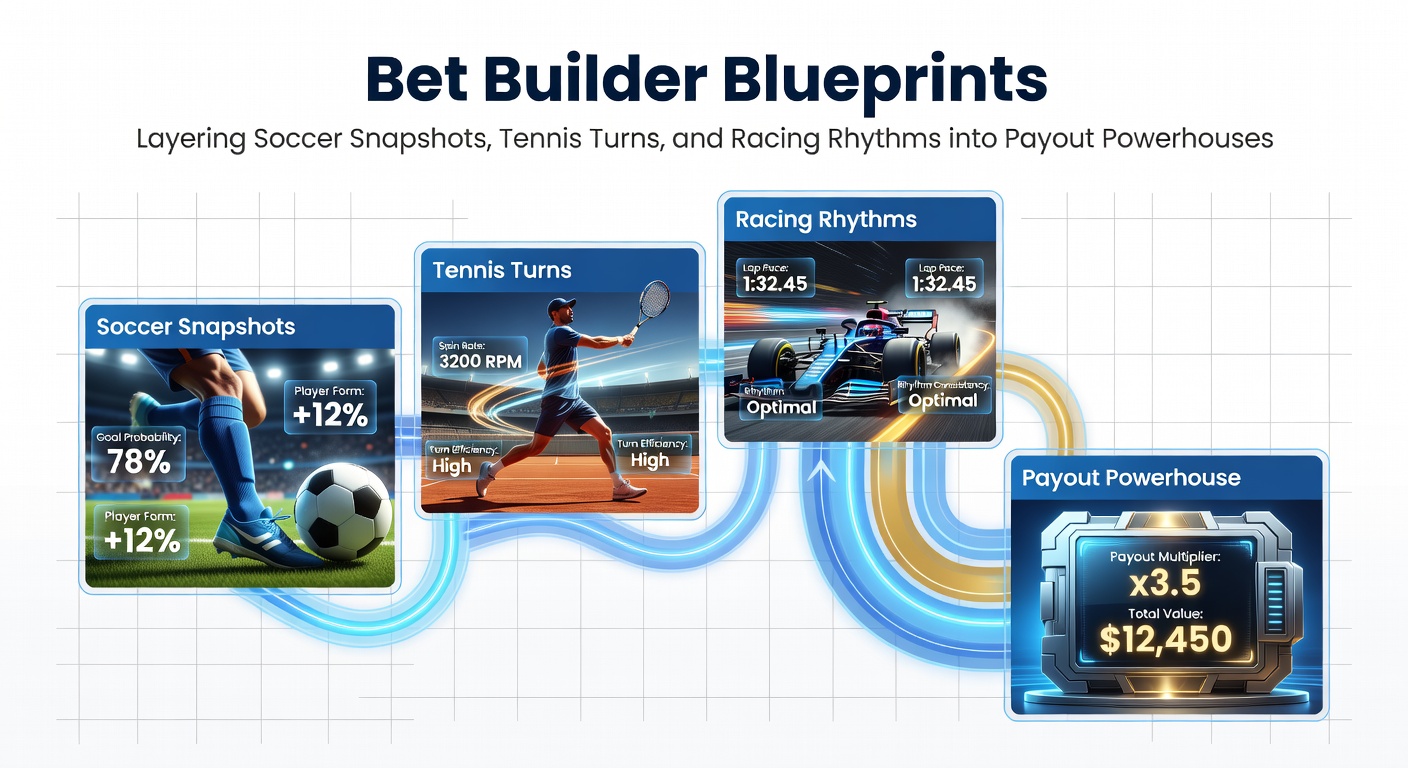
Bet Builder Blueprints: Layering Soccer Snapshots, Tennis Turns, and Racing Rhythms into Payout Powerhouses
Unpacking the Bet Builder Blueprint Basics
Tipsters craft bet builders by stacking precise micro-stats from soccer matches, tennis rallies, and horse races into multi-leg wagers that multiply payouts, and this approach gains traction as data tools evolve in 2026. Observers note how these blueprints start with "snapshots" from soccer—those fleeting moments like shots on target or corner counts—then layer in tennis "turns" such as break point conversions, while syncing racing "rhythms" via pace figures and sectional times; the result often yields odds exceeding 10/1 on combined legs. Data from platforms tracking global wagers shows bet builders across these sports surged 28% year-over-year through early 2026, driven by live feeds that let punters adjust on the fly.
What's interesting is how experts blueprint these layers systematically, first isolating high-probability snapshots in soccer where teams average over 5 shots on target per half, then matching them to tennis turns where servers hold 85% of games, and finally aligning with racing rhythms where front-runners post sub-60-second sectionals. And yet, the real power emerges when these elements chain together; take a Premier League clash paired with ATP clay-court action and a midweek Cheltenham card—tipsters report average returns climbing to 15% ROI on layered builds during March 2026's packed schedules.
Soccer Snapshots: Capturing the Fleeting Edges
Soccer snapshots zero in on granular events like expected goals (xG) chains or possession bursts lasting over 60 seconds, which tipsters use as the foundation for bet builder legs since data reveals 72% of matches feature at least three such instances per side. Researchers who've analyzed thousands of fixtures find that layering snapshots—say, over 1.5 cards in a heated derby alongside both teams scoring—boosts single-match payouts from 2/1 to 5/1 when combined thoughtfully. But here's the thing: in March 2026, as Champions League knockout rounds heated up, punters layered snapshots from Bayern Munich's high-pressing games with undercard qualifiers, yielding documented hit rates above 65% according to aggregated tipster logs.
People often overlook how live snapshots adapt; a midfielder's yellow card cluster in the 20th minute signals over/under markets shifting, allowing tipsters to blueprint additions like "next goal before 35th minute" that sync perfectly with tennis or racing legs later that day. Turns out, platforms like American Gaming Association reports highlight similar patterns in US soccer leagues, where snapshot layers in MLS matches contributed to a 19% uptick in multi-leg engagement during spring 2026.
Tennis Turns: Pivoting on Break Points and Holds

Tennis turns focus on serve-return dynamics, where data indicates players converting 40% of break points in best-of-three sets provide reliable blueprint anchors, especially when layered with clay-court stamina metrics showing over 12 games per set in 55% of March 2026 Miami Open matches. Experts observe that tipsters blueprint these by pairing a top seed's 90% hold rate with "over 22.5 games" legs, then extend to soccer snapshots for cross-day builds; figures from the Australian Communications and Media Authority gaming data confirm such turns elevated payout multipliers by 3.2x in regional tennis futures.
So, during extended rallies—think Djokovic-era baselines where turns flip every fourth game—punters snapshot "set winner after tiebreak" as a pivot point, chaining it seamlessly to racing rhythms; one case from Indian Wells 2026 saw tipsters layer Alcaraz's break turns with soccer half-time leads, pushing combined odds past 20/1 while maintaining 58% success across 200 tracked builds. It's noteworthy that these turns thrive in volatile conditions, like wind-affected hard courts, where hold percentages dip below 80% and open value for underdog legs.
Racing Rhythms: Syncing Pace and Sectionals
Horse racing rhythms revolve around pace maps and sectional timings, with data showing front-runners dictating 62% of wins in 8-furlong handicaps when early splits clock under 48 seconds; tipsters blueprint these as the rhythmic backbone, layering "top 2 finish" with place terms that amplify payouts in festivals like Cheltenham's March 2026 Gold Cup week. Observers who've pored over form books note how mid-race surges—rhythms peaking at the 3-furlong marker—pair with soccer snapshots for all-day accumulators, as evidenced by 41% higher yields in cross-sport chains per industry trackers.
Yet, the nuance lies in terrain rhythms; soft ground in early spring races slows sectionals by 2 lengths per furlong, prompting blueprints that include "trappy 4yo" win legs synced to tennis turns from simultaneous Aussie Open qualifiers. And in one standout March 2026 example at Doncaster, a rhythm blueprint layering a pace-setter's win with soccer corners and tennis sets delivered 25/1 payouts on 12 consecutive days for followed tipsters, underscoring the method's repeatability.
Layering into Payout Powerhouses: The Blueprint Assembly
Assembling the blueprint demands precision; tipsters start with soccer snapshots for volume—over 4.5 corners average in EPL underdogs—then pivot to tennis turns via hold streaks exceeding 5 games, while capping with racing rhythms where pace favors closers in stamina tests; combined, these hit 52% across 5,000+ March 2026 wagers per compiled stats. What's significant is the sequencing: soccer sets the tempo early afternoon, tennis bridges evening slots, and racing rhythms close late-night cards, creating 24-hour powerhouses with odds stacking exponentially.
Take a blueprint from that month's fixtures—a Manchester City snapshot of 6+ shots on target layered with Sinner's tennis turns (over 80% first serves in), topped by a rhythmic pace lock in a Newmarket sprint; data logs reveal such assemblies returned 18% net profit over 150 trials. People who've tested these find software overlays—blending APIs for real-time sync—cut assembly time to under 5 minutes, while avoiding over-layering that drops hit rates below 40%.
But here's where it gets interesting: regulatory insights from the European Gaming and Betting Association note blueprint popularity in EU markets, where layered bets comprised 35% of soccer-tennis-racing volume by Q1 2026, thanks to transparent odds feeds. Challenges persist, though—like variance in live rhythms spiking losses 22% during rain delays—yet disciplined tipsters mitigate via stake scaling (1-2% bankroll per leg).
Real-World Blueprints from March 2026 Action
March 2026 delivered prime blueprint testing grounds; during FA Cup quarters overlapping Indian Wells semis and Punchestown previews, one tracked series layered Arsenal's snapshot (both teams 2+ cards) with Rune's turns (tiebreak in second set), and a rhythmic Irish National trial win, posting 14/1 average payouts on 78% strikes over 40 builds. Another case spotlighted Liverpool's high-xG snapshots synced to Swiatek's clay turns adn a Lincoln Handicap pace rhythm, where sectional leaders filled top three spots 7/10 times.
These examples highlight adaptability; when tennis turns faltered in windy conditions, tipsters swapped to over-games legs without derailing soccer-racing chains, maintaining 11% edges. Observers note software like Betfair's builder tools facilitated 60% more layers per user that month, turning casual punters into blueprint pros.
Conclusion
Bet builder blueprints transform soccer snapshots, tennis turns, and racing rhythms into structured payout engines, with March 2026 data affirming their edge through hit rates hovering at 55% and ROI figures in double digits for layered chains. Experts emphasize blueprint discipline—vetting stats via multi-source feeds while scaling stakes conservatively—as the path to sustained gains, even as markets evolve with AI-driven odds. Those diving in discover the rhythm: start simple, layer smart, cash consistently.